

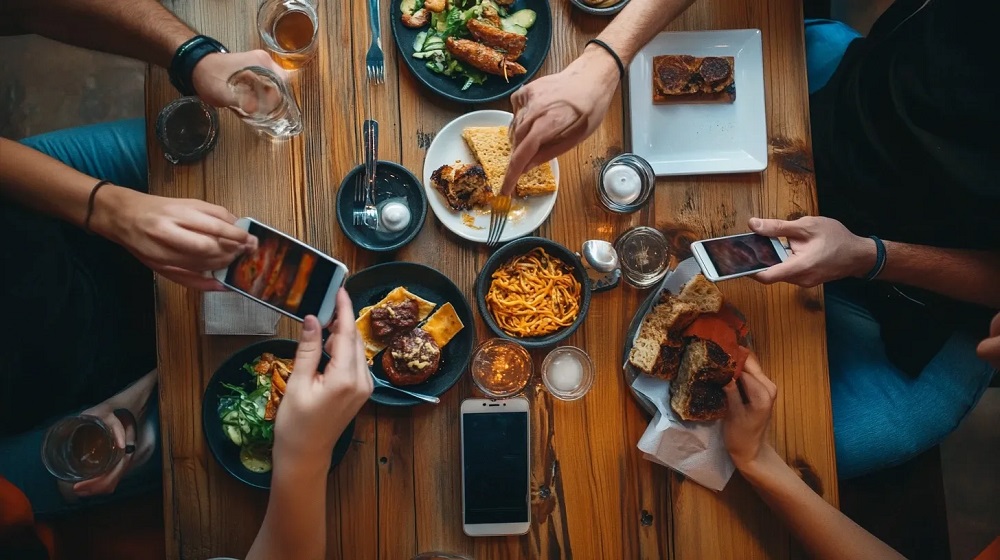
The relationship between humanity and food has fundamentally evolved over the last several decades. Food was historically viewed through the lens of pure survival, regional agricultural availability, and deeply rooted family traditions. While culinary arts eventually introduced the concept of dining as a form of entertainment, the explosion of social media networks has elevated food into an experiential, hyper-visual, and globally connected cultural phenomenon.
Platforms driven by short-form video and high-resolution imagery have decentralized food authority. The power to define what is desirable, trendy, or delicious has shifted away from traditional gatekeepers, such as elite Michelin-guide critics and mainstream food networks, directly into the hands of everyday consumers and content creators. This digital democratization has systematically altered how restaurants operate, how grocery stores manage inventory, how home cooks approach recipes, and how individuals conceptualize their personal identity through the meals they consume.
The Rise of the Aesthetic-First Culinary Experience
One of the most immediate impacts of social media on modern food culture is the prioritization of visual presentation, a shift often referred to as designing for the feed. In a digital ecosystem where engagement is driven by instantaneous scrolling behaviors, a dish must capture structural attention within a fraction of a second. Consequently, taste is no longer the sole metric of culinary success; visual appeal and performative elements have become equally vital.
This aesthetic focus has forced the hospitality industry to rethink interior design and menu development. Many modern restaurants, bakeries, and cafes are engineered specifically to maximize photographic opportunities. This design strategy includes integrating distinctive neon signage, installing specific overhead lighting that eliminates harsh shadows on plates, and utilizing vibrant, multi-textured table surfaces. On the plate, chefs frequently lean into exaggerated presentation methods designed to go viral online, such as:
-
Over-the-top structural elements, including towering milkshakes adorned with whole slices of cake or burgers drenched in melted cheese sauce tableside.
-
Dynamic, interactive food presentations, such as smoking molecular gastronomy cocktails, pull-apart cheese stretches, and color-changing butterfly pea flower tea infusions.
-
Vibrant, hyper-saturated natural or artificial hues, which popularized global movements centered around charcoal-infused black foods, bright purple ube desserts, and multi-colored rainbow pastries.
While these visual trends drive significant consumer foot traffic, they have sparked an ongoing debate within the culinary community regarding whether the obsessive focus on theatrical presentation ultimately compromises the foundational flavor profiles and traditional cooking techniques of classic cuisine.
The Viral Recipe Loop and Rapid Home Cooking Trends
Social media has completely transformed the domestic kitchen from a space of private routine into a fast-moving lab of experimental, algorithm-driven cooking. Historically, home cooks relied on family recipe binders, curated newspapers, or physical cookbooks to plan meals. Today, viral trends on short-form video apps introduce millions of users to novel culinary concepts simultaneously, creating overnight demand for specific ingredients.
The unique structure of social media algorithms ensures that a creative cooking method can achieve global saturation within forty-eight hours. These viral recipes typically prioritize high sensory appeal, accessibility, minimal specialized equipment, and a distinct sense of culinary novelty. Notable examples include the widespread popularization of baked feta pasta, crispy smashed potatoes, inverted puff pastry tarts, and cloud bread.
This rapid trend cycle exerts sudden, massive pressure on retail supply chains. When a specific recipe achieves viral status, local grocery stores frequently experience immediate, unexpected shortages of foundational ingredients, forcing agricultural distributors to adapt rapidly to digitally generated demand spikes. Furthermore, this loop encourages home cooks to view kitchen time as an active form of creative participation rather than a mundane domestic chore.
Democratization of Global Cuisines and Micro-Food Trends
Before the internet connected global populations, exposure to international food traditions was heavily restricted by geographical location and the willingness of local restaurant owners to introduce unfamiliar ingredients to conservative regional palates. Social media has dismantled these cultural boundaries, functioning as an archive of global culinary education.
Through first-person cooking videos, creators from diverse cultural backgrounds can showcase authentic ancestral techniques, traditional spices, and regional street foods directly to a global audience without undergoing corporate media filtering. This unrestricted sharing has driven a massive surge in the appreciation and mainstream integration of complex flavor profiles, such as Korean gochujang, Japanese matcha, Mexican birria, and Middle Eastern hot honey.
Concurrently, social media has allowed hyper-niche micro-food trends to establish distinct subcultures. Online communities dedicated exclusively to specialized dietary lifestyles, such as high-protein meal prepping, artisanal sourdough fermentation, zero-waste foraging, and intricate vegan meat alternatives, can easily gather, share complex methodologies, and normalize specialized eating habits that were once considered isolated or eccentric.
The Influencer Economy and the Transformation of Restaurant Marketing
The economic architecture of the restaurant industry has been profoundly rewritten by the rise of food influencers and digital content creators. Traditional restaurant marketing relied on expensive print advertisements, local television spots, and professional food critics writing for municipal newspapers. In the modern ecosystem, a positive thirty-second video review from a trusted local digital influencer can generate a larger, more immediate spike in revenue than a traditional five-star newspaper write-up.
This shift has created an entire influencer economy within the food space. Restaurants routinely allocate large portions of their promotional budgets toward hosting exclusive media preview nights, providing complimentary meals to content creators in exchange for digital coverage, and partnering with digital agencies to optimize their social media footprints.
This environment provides massive opportunities for small, independent, or immigrant-owned dining establishments that lack substantial capital for traditional advertising campaigns. A single unique, well-edited video showcasing a hidden gem restaurant can accumulate millions of views organically, instantly transforming a struggling neighborhood diner into a highly sought-after culinary destination with lines wrapping around the block.
Psychological Impacts: Digital FOMO and Competitive Consumption
While social media has undoubtedly enriched culinary diversity and supported small business growth, its influence on human behavior carries significant psychological complexities. Food has increasingly become a tool for digital status signaling and social validation. The phenomenon of taking a photo of a meal before consuming it, captured by the cultural phrase the camera eats first, highlights how digital preservation often overshadows present-moment sensory enjoyment.
This shift has introduced a distinct layer of digital Fear Of Missing Out, or FOMO, into food culture. Dining out at a highly photogenic restaurant or successfully purchasing a limited-edition viral pastry has transformed into a form of competitive consumption. Individuals seek out specific food experiences not out of genuine hunger or curiosity, but to accumulate social capital and validate their curated online personas.
Additionally, the constant exposure to hyper-idealized, heavily edited images of food can distort consumer expectations, leading to body image anxieties or unrealistic standards regarding what everyday home cooking should look like, creating a subtle disconnect between actual physical nourishment and digital performance.
Frequently Asked Questions
How do social media food trends impact the physical environment of grocery stores?
Social media trends alter grocery store physical layouts and inventory strategies by creating sudden, unpredictable shifts in consumer purchasing behavior. To capitalize on viral internet recipes, many modern grocery managers establish dedicated trend displays near the front of the store, clustering complementary ingredients from viral recipes together for immediate convenience. Additionally, supply chain logistics must monitor internet platforms closely, as a sudden video trend can cause localized demand for niche products, like specific chili pastes or specialty cheeses, to skyrocket overnight.
What is food styling, and how has social media changed this profession?
Food styling is the art of arranging and preparing food so that it looks exceptionally appetizing for photography or video. Historically, food styling was a highly specialized, technical industry confined to corporate fast-food commercials and print magazine advertisements, often utilizing non-edible materials like glue or shaving cream to simulate food properties. Social media has democratized and naturalized the field. Modern creators use accessible styling techniques, such as prioritizing natural overhead lighting, using matte plate textures to prevent glare, and capturing raw, messy actions like breaking an egg yolk to create organic sensory appeal.
Does social media encourage food waste in restaurants or home kitchens?
Social media can inadvertently encourage food waste due to the performative nature of visual content creation. In some instances, consumers purchase large, highly aesthetic, or gimmicky food items solely to capture a photograph or video for their social feeds, leaving the majority of the meal uneaten once the digital goal is achieved. In home kitchens, individuals eager to participate in short-lived viral recipe trends may buy specialized, niche ingredients that they use only once before letting the remaining product spoil in the back of their pantries.
How has social media changed the traditional role of a professional food critic?
Social media has significantly reduced the singular authority of the traditional professional food critic. Historically, an anonymous critic writing for a prestigious publication held the unilateral power to make or break a restaurant’s financial future. Today, crowdsourced reviews, real-time video clips from everyday diners, and independent food influencers provide a massive, continuous stream of public feedback. This shift has forced the industry to become more democratic and transparent, as a restaurant’s reputation is continuously shaped by thousands of diverse digital viewpoints rather than a single elite perspective.
What are phantom or ghost kitchens, and how do they rely on social media?
Ghost kitchens, also known as cloud or virtual kitchens, are professional food preparation facilities that operate entirely without physical dining rooms, storefronts, or public walk-up counters. They prepare food exclusively for delivery or pickup orders placed through digital apps. Because they lack physical visibility on city streets, ghost kitchens are entirely dependent on aggressive social media marketing and digital brand awareness to survive, utilizing highly targeted video ads, influencer endorsements, and vibrant digital menu curation to attract local customers.
How does the virtualization of food culture affect traditional regional food heritages?
The virtualization of food culture acts as a double-edged sword for traditional regional heritages. On one hand, it preserves and elevates endangered culinary traditions by granting indigenous and marginalized cooks a global platform to document and share their authentic ancestral methodologies with future generations. On the other hand, the pressure to conform to fast-moving internet aesthetics can lead to cultural flattening, where traditional recipes are heavily modified, stripped of their historical context, or oversimplified simply to make them look more appealing or accessible to an uneducated global audience.