

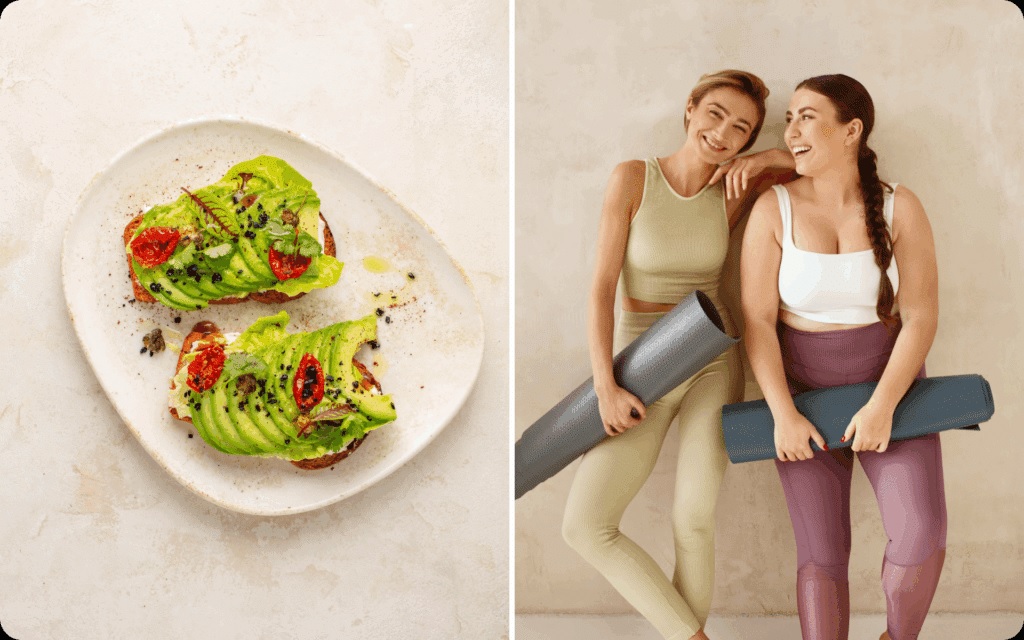
A good workout does not begin when the class starts. It begins with how the body is fuelled before the session and how it is recovered afterwards. For anyone attending a trampoline fitness singapore class, meal planning can make a real difference in energy, comfort and results.
Trampoline fitness is dynamic. It involves bouncing, rhythm, quick movements and continuous effort. That means food choices should support performance without making the body feel heavy. The aim is to feel light, energised and well-hydrated.
Why Food Timing Matters
Meal timing is especially important for bounce-based workouts. Eating too close to class can cause discomfort because the body is moving up and down. Waiting too long without food may cause low energy, dizziness or poor performance.
A practical approach is to eat a balanced meal two to three hours before class. If that is not possible, a light snack thirty to sixty minutes before training may help.
The best timing depends on the person. Some digest quickly, while others need more time. The goal is to know your body and plan accordingly.
What to Eat Before Class
Pre-workout meals should provide energy without being too heavy. Carbohydrates are useful because they fuel active movement. Protein can help with satiety and muscle support, but large amounts of fat or very heavy food may slow digestion.
Good meal options may include rice with lean protein and vegetables, oats with fruit, wholegrain toast with eggs, or yoghurt with banana. These foods provide energy while remaining relatively easy to digest.
For a quick snack, fruit, a small smoothie, a slice of toast or a light yoghurt can work well.
Foods to Avoid Before a Bounce Workout
Some foods may not feel comfortable before trampoline fitness. Very oily dishes, large portions, heavy cream-based meals, spicy food or carbonated drinks may cause discomfort during bouncing.
This does not mean these foods can never be eaten. It simply means they may be better after class or on rest days.
People should also avoid experimenting with unfamiliar foods right before a workout. A class day is not the best time to test something that may upset the stomach.
Hydration for Singapore’s Climate
Hydration matters in every workout, but it is especially important in Singapore because the climate can increase sweating. Even indoor classes can feel intense.
The best hydration habit is steady water intake throughout the day. Drinking a lot of water immediately before class may feel uncomfortable during movement. A better approach is to sip regularly before, during and after the session.
For people who sweat heavily, electrolytes may be useful, especially if they are training after a long day outdoors. However, plain water is enough for many people.
Post-Workout Recovery Meals
After class, the body needs recovery support. A good post-workout meal usually includes protein, carbohydrates and fluids. Protein helps support muscle repair, while carbohydrates help restore energy.
Examples include grilled chicken with rice, tofu with noodles, eggs with toast, Greek yoghurt with fruit, fish with potatoes, or a smoothie with protein and oats.
The meal does not need to be complicated. What matters is that it helps the body recover and prevents uncontrolled hunger later.
Managing Appetite After High-Energy Workouts
Some people feel very hungry after a lively class. Others lose appetite temporarily. Both responses are normal. The key is to plan ahead so post-workout eating does not become random.
If the goal is weight management, portion awareness is important. A workout does not automatically require overeating. If the goal is performance, skipping food after class may affect recovery.
A balanced meal helps avoid both extremes.
Meal Planning for Evening Classes
Evening classes can be tricky because lunch may be too far away, but dinner before class may feel too heavy. A smart solution is to eat a light afternoon snack, then have dinner after the workout.
Good snack options include a banana, a small sandwich, yoghurt, oats, or a smoothie. This gives the body enough fuel without making the stomach feel full.
After class, dinner can focus on protein, vegetables and a suitable carbohydrate source.
Real-Life FAQs
Q. Can I drink coffee before trampoline fitness?
Ans. Some people can, but it depends on tolerance. Coffee may help energy, but too much can cause jitters or stomach discomfort.
Q. What is the best food after a trampoline workout?
Ans. A balanced meal with protein, carbohydrates and fluids is ideal. Examples include eggs and toast, chicken rice with vegetables, tofu noodles or yoghurt with fruit.
Q. Should I avoid eating completely before class?
Ans. Not always. If the class is intense or after work, a small snack may help prevent low energy.