

Catering is an art form, an intricate blend of culinary expertise, logistical finesse, and an innate understanding of how to turn a simple meal into an unforgettable experience. Whether it’s a lavish wedding, an intimate corporate gathering, or a grand gala, catering plays an essential role in setting the tone and creating an atmosphere that resonates long after the event is over. The best caterers don’t just serve food; they craft experiences that engage the senses and bring people together. In this article, we will explore the diverse world of catering, from its humble origins to its modern-day evolution, and examine what makes this industry both an art and a science.
The Origins of Catering: A Historical Perspective
The concept of catering can be traced back to ancient civilizations, where communal feasts and banquets were a way of celebrating significant events, such as royal occasions, military victories, and religious ceremonies. In medieval Europe, the tradition of feasting was an integral part of social life, with large gatherings often centered around elaborate meals prepared for the elite. However, the modern catering industry, as we know it today, began to take shape during the 19th century, particularly in the United States and Europe.
The rise of catering services coincided with the development of the hospitality and event planning industries. With the expansion of private events and public gatherings, there emerged a need for specialized services that could handle the complex logistics of feeding large groups of people while ensuring that the food was of exceptional quality. Caterers began to emerge as experts in organizing and delivering meals, offering their services for weddings, parties, corporate events, and public functions. Over time, the scope of catering expanded beyond simple food provision to encompass full-service event management, from menu design to decor and ambiance.
The Modern Caterer: A Fusion of Culinary Skill and Logistics
In today’s fast-paced world, catering has evolved into a highly specialized and sophisticated industry. Professional caterers now combine culinary mastery with event coordination expertise to provide an all-encompassing service that exceeds client expectations. The role of a caterer has become more multifaceted, blending artistry, creativity, and organizational prowess.
A successful caterer is not just a chef or a food provider; they are a problem solver, a planner, and a visionary. Behind every event is a team that works tirelessly to ensure that every detail—from the menu to the presentation—is executed flawlessly. The process often begins months in advance, with consultations to understand the client’s vision, preferences, and dietary restrictions. Caterers must also take into account the logistical aspects of the event: the venue, the number of guests, the timing of the meal, and the equipment required to serve it. The challenge lies not only in creating a delicious and visually appealing menu but in executing it under the pressure of time and often in a space that may not be equipped with a traditional kitchen.
Menu Creation: The Heart of Catering
At the core of catering lies the menu—a vital component that serves as both the foundation of the meal and a reflection of the event’s tone. The menu is where culinary creativity comes into play, and it is often one of the most enjoyable yet challenging aspects of the catering process. Whether the event calls for a lavish buffet, a plated multi-course dinner, or a casual finger-food spread, the caterer’s task is to craft a menu that aligns with the occasion while also pleasing a diverse group of palates.
Seasonality, regional flavors, and dietary preferences are all factors that must be considered when designing a menu. Modern catering services often offer a variety of dietary options, such as vegan, gluten-free, and kosher dishes, ensuring that every guest is catered to. Moreover, the increasing demand for farm-to-table and sustainable food practices has influenced many caterers to prioritize locally sourced ingredients, creating menus that are both environmentally conscious and gastronomically exciting.
But beyond just satisfying hunger, the menu is also a chance for the caterer to showcase their creativity and reflect the personality of the host. A carefully curated menu can tell a story—whether it’s through the choice of bold, exotic flavors or through a nod to cultural traditions. The best caterers know how to weave together flavors, textures, and presentation to create a cohesive and memorable dining experience.
The Role of Presentation: Elevating the Dining Experience
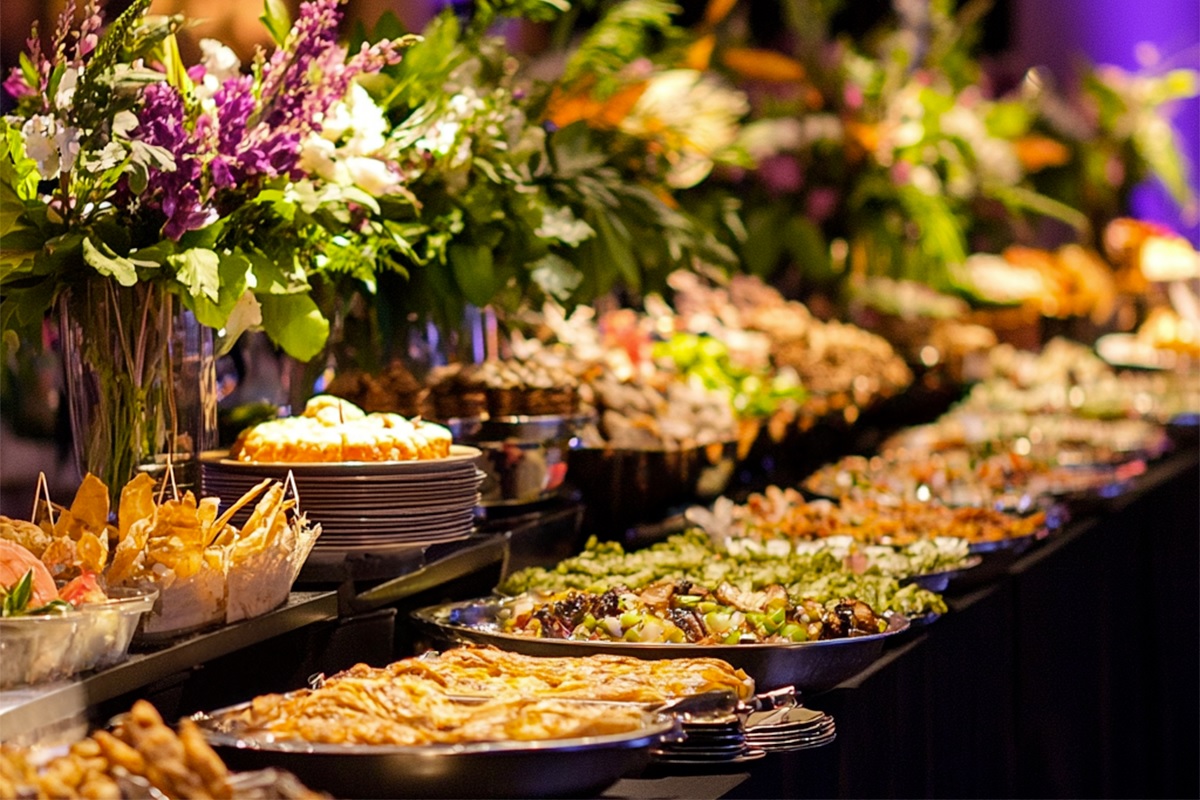
In catering, presentation is as important as taste. A beautifully plated dish or a well-organized buffet table can elevate the dining experience and transform an ordinary meal into something extraordinary. The visual appeal of food plays a significant role in how it is perceived and enjoyed. In many ways, catering is as much about artistry as it is about flavor.
Caterers often go above and beyond to design visually stunning presentations, whether it’s through elegant food displays, intricate garnishing, or bespoke servingware. The goal is to create an atmosphere that complements the event’s theme, whether it’s a formal gala, a rustic barn wedding, or a chic cocktail party. For instance, a wedding reception might feature a grand tiered cake, while a corporate event could have sleek, minimalist hors d’oeuvres that reflect the modern aesthetic of the company.
In addition to the food itself, the way it is served also contributes to the overall ambiance. From the choice of linens to the arrangement of silverware, every detail is carefully considered. The use of color, texture, and arrangement creates a visual symphony that enhances the dining experience, making it as much about aesthetics as it is about taste.
Catering for Special Events: Customization and Adaptation
One of the most important aspects of catering is the ability to adapt to the unique needs of each event. A one-size-fits-all approach simply does not work in the catering world; every event has its own set of requirements, and successful caterers know how to customize their offerings accordingly.
Weddings, for instance, may call for a more formal and elaborate menu, with a focus on presentation and high-end ingredients. A corporate event, on the other hand, might demand a more streamlined approach, with quick, efficient service and a menu that accommodates a wide range of tastes and dietary restrictions. Even smaller events, like intimate dinners or garden parties, offer their own challenges and opportunities for creativity.
Flexibility is key in catering. No two events are the same, and the caterer must be prepared to adjust on the fly to accommodate unforeseen circumstances. Whether it’s a last-minute dietary restriction or an unexpected change in guest count, the ability to pivot and provide seamless service is what sets great caterers apart from the rest.
Catering as a Business: The Challenges and Rewards
Like any business, catering requires a careful balance between creativity and organization. From managing a team of chefs and servers to overseeing the logistics of transportation, equipment, and venue coordination, the caterer must juggle numerous responsibilities to ensure that everything runs smoothly. Budgeting is also a crucial element, as caterers must work within the financial constraints of their clients while maintaining the quality of their offerings.
The rewards of catering, however, are plentiful. The satisfaction of watching a client’s vision come to life, the joy of seeing guests delighted by the food, and the pride of delivering a flawless event make the challenges worthwhile. Catering allows for creative expression, culinary experimentation, and the opportunity to be a part of significant life moments.
Conclusion: A Vital Ingredient in Memorable Events
Catering is much more than just providing food for an event; it is about creating experiences that leave a lasting impression. Whether through innovative menus, impeccable service, or stunning presentation, caterers play an integral role in shaping the atmosphere and tone of any gathering. It is a profession that requires a rare combination of culinary expertise, logistical precision, and an intuitive understanding of people’s needs. As the catering industry continues to evolve, it remains a cornerstone of event planning, a testament to the power of food to bring people together, celebrate milestones, and elevate life’s most cherished moments.