

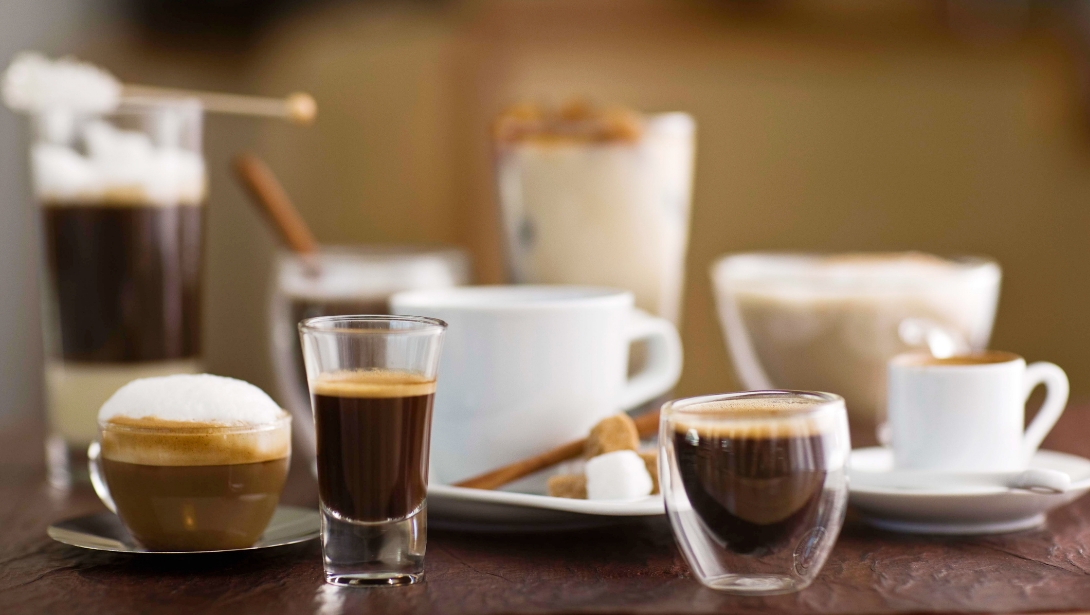
Coffee is more than just a drink; it is a cultural ritual, a morning companion, and for many, an essential fuel that powers the day. From the rustic street cafés of Rome to the bustling coffee shops of New York, the art of coffee preparation is as diverse as the places it is enjoyed. Alongside coffee, other drinks—both caffeinated and not—have carved their own place in global traditions, offering a range of tastes, textures, and experiences that continue to shape social interactions and personal routines. In this article, we will explore the deep-rooted connection between coffee and drinks in our daily lives, tracing their cultural significance, the evolution of their preparation, and their role in fostering connections and creativity.
The Cultural Significance of Coffee
Few beverages have the same cultural cachet as coffee. For centuries, coffee has been a social, cultural, and economic cornerstone, bridging cultures, continents, and generations. Its origins can be traced back to the highlands of Ethiopia, where legend has it that a goat herder named Kaldi first discovered coffee after noticing the energetic effects the berries had on his flock. From there, coffee made its way to the Arabian Peninsula, where it was first brewed as a beverage in the 15th century. Over time, coffee spread to Europe, the Americas, and eventually to every corner of the globe, becoming an integral part of daily life for millions.
Across cultures, coffee has become more than a morning pick-me-up. In Italy, the espresso bar is a meeting point for conversation and connection, while in Turkey, the rich, thick coffee brewed in a cezve is a symbol of hospitality and tradition. The French, with their café culture, view their morning coffee not just as a beverage but as an experience—often paired with a croissant, enjoyed slowly at a corner café. Similarly, in Latin America, coffee plays a pivotal role in daily life, from the strong “café cubano” to the more mellow, yet equally cherished, “café de olla.”
Beyond the cup itself, coffee is a symbol of connection. The coffeehouse has long been a place for intellectuals, writers, artists, and activists to gather, exchange ideas, and spark conversations. From the literary salons of Paris to the vibrant cafés of Vienna, coffee has provided the backdrop for history-making discussions and creative breakthroughs. In many ways, coffee houses are incubators of culture and innovation, fostering a sense of community and a space for contemplation.
The Rise of the Specialty Coffee Movement
In recent years, coffee has transcended its status as a mere beverage to become a finely crafted experience. The rise of the specialty coffee movement has introduced a new era of connoisseurship, where the origin of the beans, the methods of cultivation, the roasting process, and the brewing technique all come under scrutiny. Coffee lovers today are as discerning about the coffee they drink as wine aficionados are about the vintage in their glass.
Specialty coffee emphasizes quality and sustainability, with an increasing focus on single-origin beans that tell the story of their region, the farmers who grew them, and the unique conditions in which they were harvested. Coffee beans, once considered a commodity, are now celebrated as a source of artistry. The meticulous craft of brewing—from pour-over techniques to the use of espresso machines that extract the perfect shot—has become an art form, elevating coffee to an experience of elegance and precision.
For many, the morning ritual of brewing coffee has become a moment of mindfulness and intentionality. Whether it’s the soothing process of grinding fresh beans, the aroma that fills the kitchen, or the pleasure of sipping the perfect brew, coffee has transformed into a multisensory experience that extends beyond mere consumption. For those who are particularly passionate, coffee brewing has even become a competitive sport, with barista championships held worldwide, where participants demonstrate their technical skill and creativity in crafting the perfect cup.
Coffee and the Intersection of Innovation
In parallel with the rise of specialty coffee, innovation within the beverage industry has brought a variety of other drinks into the spotlight, many of which offer unique twists on traditional beverages or introduce entirely new experiences. The modern coffee shop has embraced a broader range of drinks that cater to diverse tastes and dietary needs.
Iced coffees, cold brews, and nitro coffees are now common on the menu, offering a refreshing alternative to the traditional hot cup. Cold brew, in particular, has gained a loyal following, praised for its smooth, less acidic profile, which makes it ideal for those who enjoy a milder, yet energizing drink. Nitro coffee, infused with nitrogen gas, has emerged as a trend, creating a creamy, stout-like texture that mimics the experience of a draft beer.
Alongside coffee, other beverages such as matcha, chai, and herbal teas have seen a resurgence. Matcha, a powdered green tea that originates from Japan, is valued for its antioxidants and unique flavor, often blended into lattes for a vibrant, earthy drink. Chai, with its rich blend of spices, offers a warm, aromatic experience, combining the sweetness of milk with the heat of ginger, cardamom, and cinnamon. Meanwhile, the growing popularity of herbal teas and infusions—such as hibiscus, chamomile, and rooibos—reflects a broader cultural shift towards wellness, offering comforting alternatives to caffeine-laden drinks.
The craft cocktail movement has also made a significant impact on the drink industry, influencing the way people perceive and appreciate beverages. Mixologists today treat cocktails as they would fine dining—paying careful attention to balance, technique, and presentation. The art of cocktail creation has become a fusion of creativity and tradition, with ingredients ranging from artisanal syrups to infusions and garnishes that elevate the drinking experience. Classic cocktails such as the Negroni, the Martini, and the Old Fashioned have experienced a revival, while new concoctions continue to push the boundaries of flavor combinations.
The Role of Drinks in Social Interactions
Drinks—whether coffee, tea, or alcoholic beverages—serve as social catalysts, bringing people together in moments of celebration, relaxation, and connection. The act of sharing a drink has long been a gesture of hospitality, trust, and friendship. The coffee date has become a ubiquitous form of casual socializing, where people meet to discuss business, catch up with friends, or simply enjoy each other’s company.
In many cultures, the offering of a drink—whether a warm cup of coffee, a chilled glass of wine, or a perfectly crafted cocktail—symbolizes a moment of warmth and welcome. A well-brewed cup of coffee shared with a friend or colleague can foster a sense of intimacy and connection, while a round of cocktails at a bar may serve as a catalyst for camaraderie and celebration. At the heart of every drink is the desire to share a moment, to connect with others, and to savor the experience together.
The Health Considerations of Coffee and Drinks
In recent years, there has been growing attention paid to the health benefits and risks of various drinks, particularly coffee. Research has shown that moderate coffee consumption may offer a range of health benefits, from boosting cognitive function and improving mood to lowering the risk of certain diseases, including Parkinson’s and Type 2 diabetes. The antioxidants in coffee, particularly those found in high-quality beans, have been linked to a reduced risk of cardiovascular disease.
However, coffee isn’t without its drawbacks. Excessive caffeine intake can lead to anxiety, insomnia, and digestive issues. For individuals sensitive to caffeine or those seeking to reduce their intake, decaffeinated options, herbal teas, and other non-caffeinated drinks offer viable alternatives.
Similarly, the health-conscious movement has driven the demand for lower-sugar, lower-calorie drink options, with many consumers opting for plant-based milk alternatives, sugar substitutes, and non-alcoholic beverages that offer flavor without the associated health risks of alcohol or high sugar content.
Conclusion: A World of Flavors and Connections
Coffee and drinks have long been more than just beverages; they are a reflection of culture, a source of comfort, and a symbol of connection. From the earliest days of coffee’s discovery to the modern-day innovations in drink preparation, these beverages have evolved alongside society, adapting to changing tastes, technologies, and social dynamics. As the world of coffee and drinks continues to expand, one thing remains certain: these drinks will continue to provide both pleasure and meaning, serving as bridges between people, cultures, and moments of shared experience. Whether it’s the perfect espresso, a refreshing iced tea, or a craft cocktail enjoyed with friends, drinks will always have the power to bring us together in meaningful ways.