

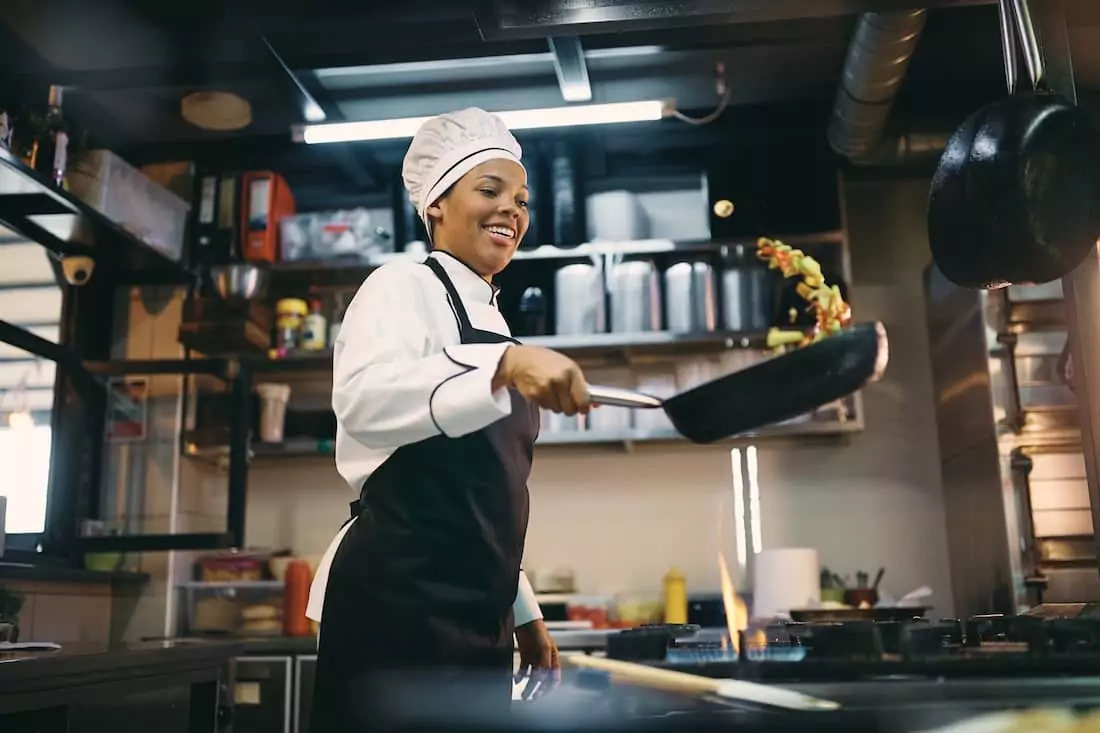
The world of professional culinary arts is a study in contrasting forces. On one side stands culinary creativity, the artistic drive to innovate, experiment with bold flavor profiles, and present visually stunning plates that captivate diners. On the other side sits operational efficiency, the rigid, fast-paced discipline required to turn out hundreds of identical, high-quality meals under extreme time constraints.
A restaurant cannot survive on artistic vision alone if the kitchen staff is chaotic, ticket times are lagging, and food waste is eroding profit margins. Conversely, a kitchen that prioritizes raw speed over culinary innovation risks becoming stagnant and losing its competitive edge. Successful professional chefs do not view creativity and efficiency as opposing forces. Instead, they treat them as complementary disciplines, using structured operational frameworks to channel their artistic instincts into reproducible, profitable, and highly efficient kitchen workflows.
The Foundation of Mis En Place as a Creative Sandbox
The classic culinary philosophy of mise en place, a French phrase translating to everything in its place, is the ultimate foundation of kitchen efficiency. To an outsider, it looks like a rigid sorting exercise, rows of identical plastic containers filled with uniformly diced vegetables, clarified butter, precisely weighed proteins, and reduced sauces. However, to an experienced chef, a perfectly organized station is the very thing that permits creative freedom.
When a line chef does not have to search for a clean pan, hunt down a specific utility knife, or sprint to the walk-in cooler for a forgotten herb during a busy dinner rush, their cognitive load is drastically reduced. This mental clarity allows them to focus entirely on the nuances of cooking, such as the exact moment a protein achieves a flawless sear, or the precise seasoning adjust required for a delicate emulsion sauce.
By standardizing the physical placement of ingredients and prep tools, chefs create an environment where execution becomes second nature. This structural predictability frees up the mental bandwidth necessary to handle unexpected kitchen challenges creatively or apply artistic garnishes with meticulous care.
Strategic Cross-Utilization of Seasonal Ingredients
True culinary innovation in a commercial setting is deeply tethered to smart financial strategy. When a chef conceives a brand-new, avant-garde dish, they cannot simply order specialized ingredients that will only be featured in that single menu item. Doing so invites high food costs and catastrophic storage waste if that particular dish fails to sell.
Instead, master chefs practice the art of strategic cross-utilization. They design menus where a single, high-quality seasonal ingredient is manipulated in diverse ways across multiple plates. This method satisfies the creative desire to showcase an ingredient’s versatility while maximizing purchasing efficiency. Consider how a kitchen might handle a single shipment of fresh heirloom beets:
-
The Premium Appetizer: Roasted whole beets are sliced into thin discs, seasoned with citrus, and arranged elegantly for a vibrant beet carpaccio.
-
The Main Course Accompaniment: Smaller beet trimmings are pureed with heavy cream and earthy spices to create a striking, colorful sauce base for a roasted duck entrée.
-
The Specialty Side Dish: Raw beet skins and leftover ends are lacto-fermented or pickled in house, providing a crunchy, acidic accent for a rich charcuterie board.
-
The Daily Feature: Excess beet greens are sauteed with garlic and white wine, transforming potential organic waste into a profitable evening side special.
Through this systematic approach, the kitchen extracts maximum yield from every raw product, minimizing waste and simplifying inventory management, all while presenting guests with an innovative, cohesive dining experience.
Standardizing Complexity through Comprehensive Prep Sheets
The breathtaking complexity of a modern fine-dining dish is rarely executed completely from scratch during the heat of service. If a plate requires twenty distinct components, including delicate gels, dehydrated powders, slow-braised meats, and smoking infusions, assembling it on demand would lead to disastrous ticket delays.
To bridge the gap between creative vision and rapid execution, chefs deconstruct their complex recipes into a series of highly structured prep steps. Every unique component is assigned a standardized recipe card with explicit weight measurements, specific storage protocols, and precise shelf-life markers. These components are prepared by the daytime production crew long before the restaurant doors open.
During the busy evening service, the line cooks are essentially executing a high-stakes assembly process. They take these pre-optimized components and use their technical culinary skills to heat, arrange, and present the final plate in a matter of minutes. This division of labor ensures that the creative complexity of the dish remains intact without causing operational bottlenecks on the assembly line.
Leveraging Technology and Smart Kitchen Design
Modern commercial kitchens are engineered environments designed to reduce human motion and optimize thermal efficiency. Professional chefs heavily rely on advanced culinary technology to automate tedious, repetitive processes, freeing up their staff to focus on highly skilled, creative tasks.
Programmable combi-ovens, which control both dry heat and steam humidity with pinpoint accuracy, allow kitchens to slow-cook proteins overnight with perfect consistency. This automated overnight roasting eliminates human error, reduces product shrinkage, and ensures that the morning crew arrives to perfectly cooked meats, bypassing hours of manual monitoring.
Similarly, chamber vacuum sealers and precise immersion circulators are utilized for sous-vide cooking. By vacuum-packing proteins with aromatic oils and cooking them in a precisely controlled water bath, chefs achieve uniform doneness from edge to edge. This technology allows a kitchen to pre-cook hundreds of portions to exact temperatures. During service, a line cook simply pulls a portion, sears the exterior for sixty seconds to develop a beautiful crust, and sends it out, achieving an elite culinary standard within an incredibly compressed timeframe.
Creative Constraints and Menu Engineering
A common misconception is that total artistic freedom yields the best creative output. In reality, total freedom in a commercial kitchen often leads to overly complicated menus, bloated inventories, and confused kitchen staff. The most innovative chefs thrive when operating under strict, self-imposed creative constraints.
Menu engineering is the practice of analyzing the popularity and profitability of menu items to design a highly optimized selection. When a chef designs a new dish, they work backward from strict operational guardrails, such as a maximum food cost percentage, a predefined number of pan-touches on the line, and a specific limit on the time required to plate the item.
Forcing creativity through these analytical filters results in elegant, focused food. Chefs are pushed to eliminate unnecessary garnishes that do not add real value to the flavor profile, focusing instead on perfecting core elements. The result is a menu filled with dishes that feel innovative and purposeful to the guest, but are structurally simple and fast for the line cooks to execute under pressure.
Fostering a Culture of Collaborative Execution
Ultimately, balancing creativity and efficiency is a human challenge. A chef can design the most logistically sound menu in the world, but if the kitchen staff feels like unappreciated cogs in a machine, execution will inevitably falter. Top chefs maintain efficiency by involving their culinary team directly in the creative process.
When developing a new seasonal menu, forward-thinking chefs host collaborative R and D sessions where sous chefs and line cooks can pitch ideas, test flavor profiles, and provide feedback on the construct of a dish. This collaboration serves a vital operational purpose: the line cooks who will be preparing the dish hundreds of times can identify potential execution flaws early, such as a garnish that takes too long to arrange or an ingredient that spoils too quickly on a hot line.
By listening to the frontline staff, the chef can refine the plate for maximum efficiency before it ever goes live. Furthermore, this inclusive culture fosters deep pride and personal ownership among the staff, driving them to maintain flawless execution standards even during the most stressful kitchen rushes.
Frequently Asked Questions
How do chefs test new creative dishes without disrupting the daily flow of a busy kitchen?
Chefs typically relegate research and development to the quiet hours between service shifts or utilize a separate, designated prep station away from the main line. New dishes are often introduced slowly to the daily flow through nightly features or limited verbal specials. This method allows the kitchen team to test the dish under real service pressures, gather immediate guest feedback, and refine the execution logistics before permanently adding the item to the printed master menu.
What is the role of a sous chef in balancing a head chef’s creativity?
While the executive chef focuses heavily on the overall creative vision, menu design, and brand identity, the sous chef acts as the primary operational manager of the kitchen. The sous chef translates the executive chef’s artistic concepts into actionable daily prep lists, monitors ingredient waste, manages staff schedules, and oversees quality control on the line. They serve as the critical analytical link that ensures a creative idea remains logistically practical and financially viable on a day-to-day basis.
How does menu size directly affect both creativity and kitchen speed?
A massive menu with dozens of options dilutes kitchen speed because it requires an expansive inventory, crowds the physical cooking lines, and forces line cooks to shift focus rapidly between wildly different dishes. It also stifles deep creativity, as the staff is spread thin trying to maintain basic execution across too many items. A smaller, highly curated menu allows the kitchen to perfect a few signature dishes, maintain a hyper-fresh inventory, accelerate ticket times, and dive deeper into complex culinary techniques.
Why do some high-end restaurants utilize a set tasting menu format for efficiency?
A set tasting menu is the ultimate tool for balancing high-level culinary creativity with maximum kitchen efficiency. Because every diner receives the exact same progression of courses, the kitchen eliminates the unpredictability of a la carte ordering. The prep team can calculate ingredient quantities down to the exact gram, reducing food waste to near zero. The line cooks can operate like a precision assembly line, plating identical dishes in synchronized rhythms, which allows the restaurant to execute incredibly intricate, artistic presentations that would be impossible on a standard variable menu.
How do chefs handle a creative dish that suddenly becomes too popular and slows down service?
If a complex dish becomes an overnight sensation but creates a severe bottleneck on the line, the chef must immediately adapt its operational design without compromising its flavor profile. This adjustment might involve prep-cooking certain components further in advance, reassigning the plating duties across two separate kitchen stations, or utilizing specialized tools like squeeze bottles and custom molds to accelerate the final assembly time. If the dish cannot be optimized for speed, it may be repurposed as a limited availability item to protect the overall flow of the kitchen.
What is the difference between scratch cooking and convenience products in a professional kitchen?
Scratch cooking involves creating every component of a dish from raw, unprocessed ingredients, which showcases maximum culinary skill and creativity but requires significant labor and time. Many efficient kitchens utilize high-quality convenience bases for non-signature items, such as purchasing pre-peeled garlic, high-grade stocks, or frozen puff pastry. This strategic substitution allows the kitchen staff to save valuable labor hours on low-skill prep work and redirect that time toward executing the highly creative, house-made elements that define the restaurant’s unique identity.