

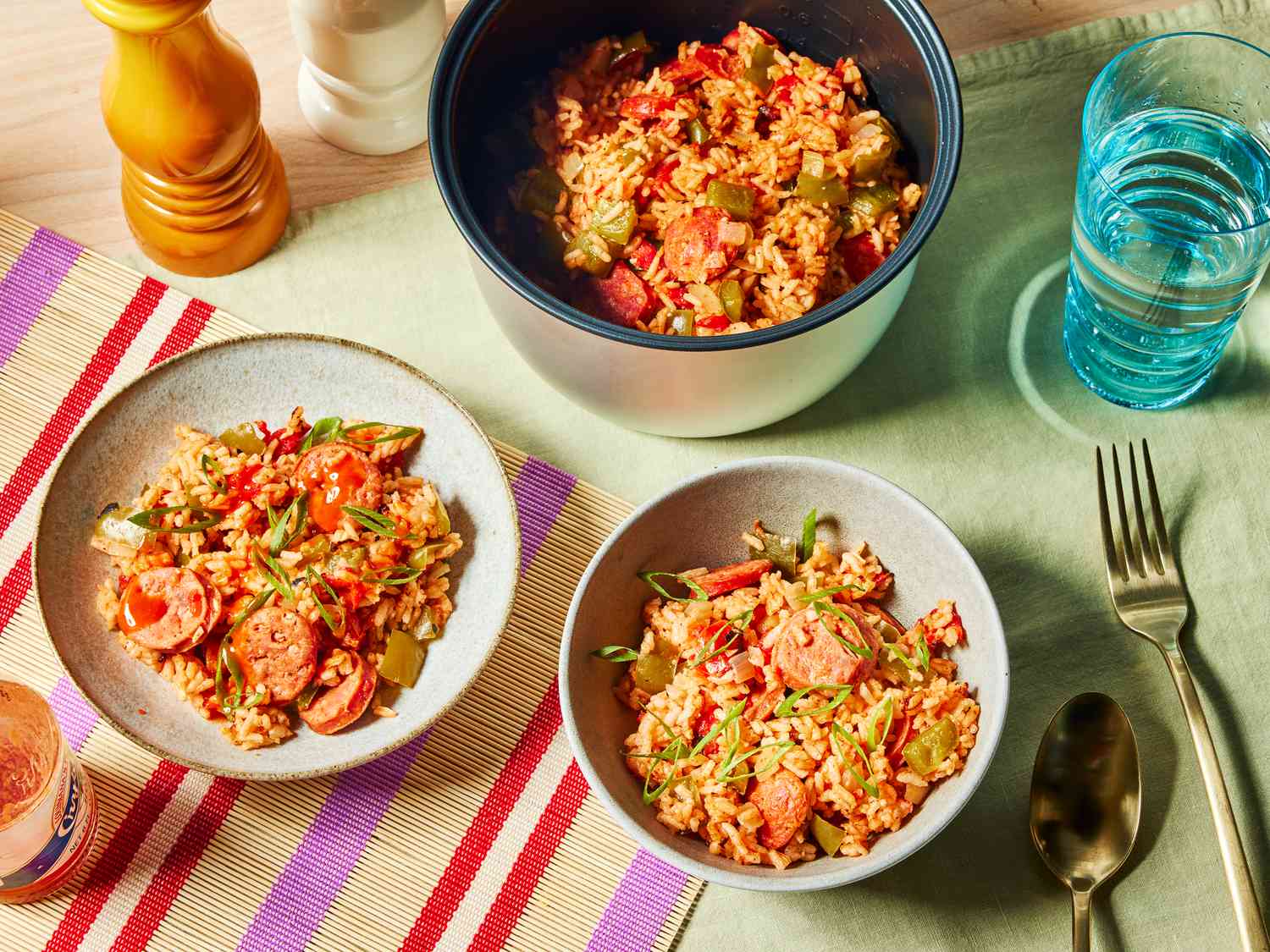
Recipes are much more than just instructions; they are the essence of culinary history, the bridge between generations, and the starting point for innovation in the kitchen. From the simplest comfort food to the most intricate gourmet creation, recipes serve as both a guide and an invitation. They offer a way to recreate cherished memories, explore new flavors, and connect with cultures from across the globe. In this article, we will explore the multifaceted nature of recipes, examining their role in culinary traditions, their evolution in the modern world, and the deeper meaning they carry in our daily lives.
The Evolution of Recipes: From Oral Tradition to Written Word
The origins of recipes trace back to the earliest civilizations, where cooking techniques and food combinations were passed down orally from generation to generation. Ancient cultures, including the Mesopotamians, Egyptians, and Greeks, were the first to document their culinary practices, often using symbols, hieroglyphs, or early forms of writing to record their food preparations. These early recipes were not as precise as the ones we know today; they were more like general guidelines that relied on intuition, seasonal availability, and local ingredients.
As societies developed, so did the concept of written recipes. By the Middle Ages, cookbooks began to emerge, though they were often written for the elite or professional chefs rather than the everyday cook. These early cookbooks were often focused on the preparation of feasts, with an emphasis on luxury ingredients such as exotic spices, meats, and wines. The recipes were more about showcasing wealth and status than about practicality or accessibility.
In the Renaissance period, cooking became a respected profession, and chefs began to experiment more freely with flavor combinations and techniques. This era gave rise to the first cookbooks that were designed for home cooks, democratizing access to culinary knowledge. Over the centuries, recipes have evolved from vague, narrative-style instructions to the highly precise, measured formulas we use today. The rise of print culture in the 18th and 19th centuries made cookbooks widely available, and as the world entered the 20th century, recipes began to reflect the increasing globalization of food cultures.
The Role of Recipes in Culinary Traditions
Recipes are deeply intertwined with cultural identity. The foods we eat often carry significant cultural and familial meaning, and the act of cooking a traditional dish is an expression of heritage, pride, and continuity. For example, a French grandmother’s recipe for a hearty beef bourguignon might evoke memories of family gatherings and the warmth of shared meals. Similarly, an Italian nonna’s method for preparing pasta from scratch might symbolize generations of culinary wisdom passed down through the ages. Recipes are the vessels through which these connections to our past are preserved and honored.
The preservation of recipes also allows for the survival of regional culinary traditions. Take, for example, the rich diversity of dishes across the Indian subcontinent. Each region boasts its own signature dishes, from the spicy curries of the South to the aromatic biryanis of the North. These recipes, passed down through families and communities, are a living testament to the region’s history, geography, and culture. In a similar way, the culinary traditions of countries like Mexico, Japan, and Greece are preserved through their recipes, which hold not only the ingredients and techniques but also the stories that define these food cultures.
Moreover, recipes are the foundation of food rituals and celebrations. Whether it’s a Thanksgiving turkey, a Christmas pudding, or a birthday cake, these recipes hold an emotional and communal significance. They are not just about taste—they represent a time for coming together, for sharing, and for creating memories. The foods we associate with holidays and special occasions become part of the fabric of our lives, and the recipes we follow to prepare them are the ties that bind us to our loved ones and our cultural histories.
The Science and Precision Behind Recipes
While recipes are often associated with creativity and intuition, they are also rooted in science. The act of cooking involves a complex interplay of chemistry and physics. Whether it’s the Maillard reaction that gives roasted meats their deep flavor, or the way sugar melts and caramelizes to form the base for desserts, understanding the science behind a recipe can make all the difference between success and failure.
Recipes provide the structure that allows this science to unfold properly. For instance, baking is one of the most precise forms of cooking, requiring exact measurements and techniques to achieve the desired results. The ratio of flour to fat, the temperature of the oven, and the timing of when ingredients are added all affect the texture and flavor of the final product. A small deviation in a recipe can result in a vastly different outcome, which is why precision in following instructions is key, particularly in pastry.
But recipes also provide room for experimentation. Once a cook understands the science behind a dish, they are free to play with ingredients, textures, and flavors. A recipe can become the blueprint for culinary creativity—guiding a novice through the steps, while giving an experienced chef the freedom to improvise. The beauty of recipes lies in their flexibility: they can be adapted, modified, and reinvented. A classic French onion soup might evolve into a more contemporary version with the addition of truffle oil, or a traditional Thai curry can be personalized with different vegetables or proteins to suit personal tastes.
The Digital Age and the Future of Recipes
The digital age has brought a dramatic shift in the way we access and share recipes. In the past, a home cook might have relied on a cherished family cookbook, a friend’s handwritten recipe, or perhaps a culinary magazine. Today, recipes are just a few clicks away, available on countless websites, social media platforms, and apps. This instant access to recipes has democratized cooking in ways that were once unimaginable.
Food bloggers, chefs, and home cooks now share their recipes freely online, often with detailed step-by-step instructions, photos, and even videos. Platforms like Instagram and Pinterest have turned recipe sharing into an art form, where visually stunning dishes and innovative food creations are showcased for a global audience. Social media has become a powerful tool for culinary inspiration, and it’s no longer uncommon to see a recipe go viral, with millions of people attempting the same dish and sharing their results.
Moreover, the growing interest in healthy eating and dietary restrictions has fueled a demand for specialized recipes. Gluten-free, dairy-free, vegan, and paleo diets are no longer niche but mainstream, and many chefs are creating recipes that cater to these needs without sacrificing flavor or creativity. Similarly, the focus on sustainable and locally sourced ingredients has led to a resurgence of interest in plant-based cooking and alternative protein sources, such as legumes, grains, and plant-based meats.
The rise of meal kit services has also transformed the way people approach cooking. These kits provide pre-measured ingredients and recipes that allow even the most inexperienced home cook to prepare gourmet meals at home. They offer convenience without compromising on quality, introducing people to new cuisines and cooking techniques they may have never considered before.
Recipes as Personal Expression and Community
While recipes are often seen as instructions, they are also an expression of personal identity. Just as an artist uses a canvas or a writer uses words, a cook uses ingredients, techniques, and presentation to tell a story. A recipe can reflect one’s cultural background, values, and tastes, and it can serve as a reflection of one’s journey in the kitchen. A home cook might tweak a family recipe to make it their own, while a professional chef may create signature dishes that become emblematic of their style.
In a broader sense, recipes create communities. Whether it’s a group of friends exchanging ideas over a dinner party or a virtual food community sharing their favorite recipes online, food has always been a means of connection. Recipes transcend borders, offering a way for people to come together, share knowledge, and celebrate diversity. They allow us to preserve the flavors of the past while embracing the possibilities of the future.
Conclusion: The Legacy of Recipes
Recipes are the threads that connect us to our past, our culture, and each other. They provide structure and consistency, yet offer endless opportunities for creativity and adaptation. They are tools for preserving culinary heritage, while also offering a canvas for personal expression. In an age where technology allows us to share recipes with the world, the timeless appeal of these culinary blueprints remains as strong as ever. Whether it’s a cherished family dish or a new creation that reflects the latest food trends, recipes remain the heartbeat of the culinary world—a source of connection, creativity, and comfort.