

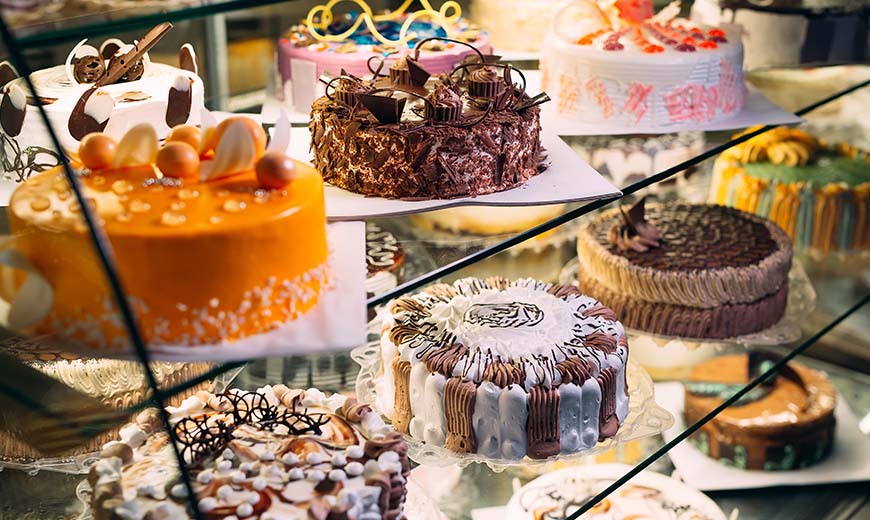
Bakeries and cakes—two of the most universally beloved creations in the culinary world—share a timeless allure, delighting both the senses and the soul. Whether it’s the intoxicating aroma of freshly baked bread wafting through the air or the mesmerizing beauty of an elaborately decorated cake, the world of baked goods offers a blend of tradition, craftsmanship, and creativity. But what is it that makes a bakery and its cakes so irresistible? Is it the simple joy of indulging in a slice of moist, perfectly frosted cake or the memories they evoke? In this exploration, we’ll delve into the intricate world of bakeries and cakes, uncovering the artistry behind each confection and the significance they hold in various cultures.
The Essence of a Bakery
A bakery, at its core, is a space where flour, butter, sugar, and other humble ingredients are transformed into edible works of art. It is a place where time seems to slow down, and the process of baking takes center stage, much like a masterful performance. The appeal of bakeries goes beyond mere sustenance; they are a destination for experience. The rhythmic hum of mixers, the sight of loaves emerging from the oven, and the warm glow of an inviting display counter all contribute to the magic. While modern bakeries often embrace sleek, minimalist aesthetics, many still preserve the nostalgic charm of old-world craftsmanship, where every loaf of bread and every pastry carries the mark of an artisan’s touch.
A Bakery’s Craftsmanship
What distinguishes an exceptional bakery from a run-of-the-mill one is the craftsmanship behind each product. While mass-produced goods may satisfy basic needs, they lack the soul that a skilled baker pours into every recipe. Great bakeries take pride in their ingredients—choosing only the finest flour, butter, chocolate, and fruits, often sourced from local producers. This attention to quality elevates the taste, texture, and overall experience of the product.
A bakery’s reputation rests on the skill of its baker, whose expertise and intuition guide every step of the baking process. Whether it’s kneading dough to the perfect consistency, mastering the art of fermentation, or balancing flavors to create the perfect pastry, the baker’s touch is paramount. The care and patience involved in preparing dough or batter often go unnoticed by customers, yet they are the foundation of every product that emerges from the oven.
Moreover, many bakeries have adopted the philosophy of “slow baking,” which emphasizes the use of natural ingredients and extended fermentation times. This method enhances flavor complexity and texture, allowing for deeper, more nuanced taste profiles. Such practices elevate the humble loaf of bread or croissant into something extraordinary—an experience that lingers long after the first bite.
Cakes: The Pinnacle of Bakery Artistry
Of all the baked goods that a bakery may offer, cakes hold a special place in the hearts of many. Whether they are a towering multi-layered creation or a simple, delicate sponge, cakes have a way of making any occasion feel celebratory. Birthdays, weddings, anniversaries—cakes are symbolic of milestones, joy, and togetherness. The act of cutting a cake is not merely a culinary gesture; it is a ritual that brings people together in moments of shared happiness.
The artistry of cake-making has evolved significantly over the years. Today, the world of cakes is as diverse as the cultures and traditions from which they spring. From the elaborate fondant-covered creations of Western wedding cakes to the delicate, airy chiffon cakes of East Asia, each type of cake reflects its unique cultural heritage and the ingenuity of its maker.
The Intersection of Flavor and Design
While cakes are often viewed through the lens of their flavor, the visual design has become just as important in the modern cake-making world. Professional cake decorators have elevated the craft to new heights, blending techniques like sugarcraft, piping, and edible gold leaf to create jaw-dropping designs. A cake can now be an artistic masterpiece, showcasing everything from intricate lacework to hand-painted florals, sculpted figurines, and even themed creations that reflect a person’s personality or passions.
At the same time, the balance of flavors is essential. The most aesthetically pleasing cake will fall flat if its taste doesn’t live up to its visual promise. Bakers spend years perfecting the balance of sweet, savory, light, and rich flavors. A cake should be an experience in itself—every bite offering layers of flavor and texture that complement one another. The classic combination of chocolate and vanilla may never go out of style, but the modern cake scene is also seeing bold flavor pairings such as lavender and lemon, raspberry and rose, and salted caramel with dark chocolate.
The Role of Innovation in Modern Bakeries
While traditional techniques and recipes continue to thrive in bakeries worldwide, the advent of new technologies and ingredients has introduced a new level of innovation. Gluten-free, dairy-free, and vegan options are now commonplace in many bakeries, catering to an ever-growing demand for inclusivity. The increasing interest in health-conscious choices has led to the rise of low-sugar cakes, whole grain breads, and sugar substitutes that don’t compromise on flavor.
Furthermore, social media platforms like Instagram and Pinterest have given rise to a new era of cake-making, where viral trends such as “naked cakes” (cakes with minimal frosting) and “drip cakes” (cakes adorned with cascading ganache) have taken the spotlight. These platforms have turned bakeries into creative hubs, where the art of cake-making is constantly evolving and inspiring new generations of bakers.
The Significance of Cake in Celebrations
The presence of a cake in any celebration speaks volumes. It is not merely a dessert but a symbol of festivity, affection, and tradition. In many cultures, cake plays a central role in marking significant life events. From the rich fruitcakes of weddings to the colorful birthday cakes adorned with candles, these sweet confections serve as a centerpiece of joy and togetherness. The shared act of cutting the cake, whether at a birthday party or a wedding reception, is often seen as a gesture of goodwill and community.
Moreover, cake has the power to evoke nostalgia. The aroma of a favorite childhood cake, lovingly baked by a grandparent or parent, can transport one back to simpler times. In this way, cake is not just a treat for the tastebuds but a powerful catalyst for memory, connecting generations through the simple act of sharing a slice.
Conclusion: A Legacy of Flavor and Craft
Bakeries and cakes have endured the test of time, evolving yet remaining grounded in tradition. The artistry behind each loaf of bread, pastry, or cake reflects a deep understanding of ingredients, techniques, and creativity. The value of a good bakery lies not only in the products it offers but in the experience it provides—a sensory journey that appeals to sight, smell, and taste. Cakes, in particular, hold a special place in our hearts as symbols of celebration, marking moments of joy, love, and togetherness. In an ever-changing world, the art of baking remains a steadfast reminder of the power of simplicity, creativity, and the timeless joy of a perfectly crafted dessert.