

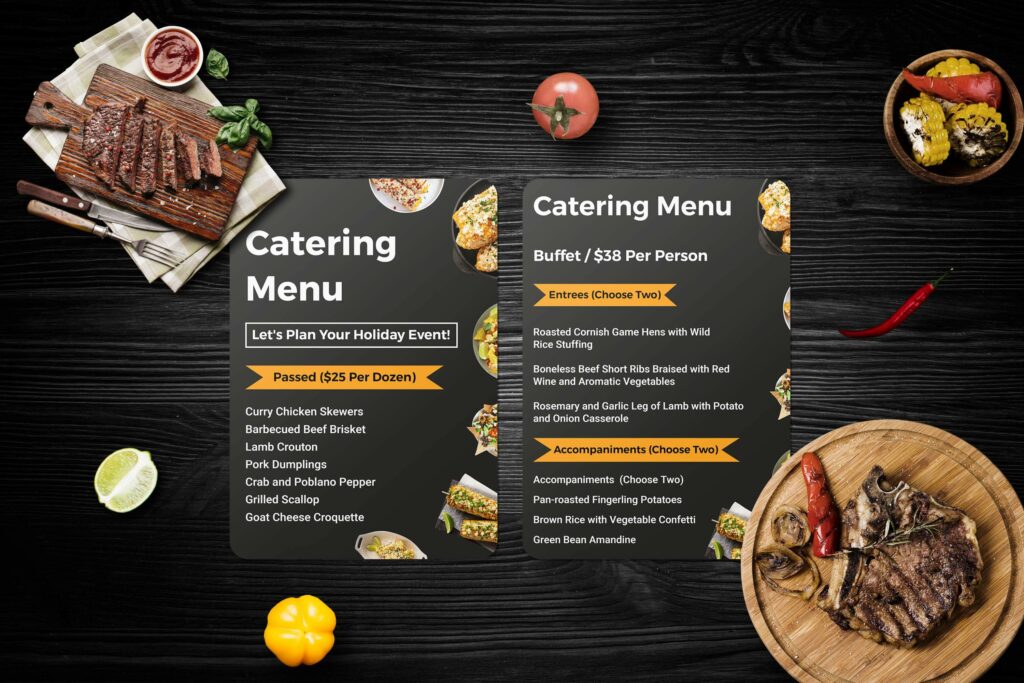
Stepping into the world of professional catering is an exciting venture that requires a unique blend of culinary talent, precise logistics, and structural planning. For beginners, the process of planning a catering menu can feel overwhelming. Unlike designing a standard restaurant menu where guests arrive in predictable intervals and order individual dishes to be cooked on demand, catering requires preparing, transporting, and serving massive quantities of food simultaneously.
A successful catered event hinges on a well-thought-out menu that balances client expectations, kitchen capabilities, financial constraints, and food safety protocols. A single logistical error, such as a dish that dries out under a chafing dish or a menu that ignores common dietary restrictions, can derail an entire event. By approaching menu planning systematically, novice caterers can minimize operational stress, eliminate food waste, and deliver memorable dining experiences that build a strong business reputation.
Understanding the Event Profile and Guest Demographics
The foundation of any successful catering menu begins with a deep dive into the specific profile of the event and the demographics of the guests attending. A menu that works perfectly for a late-night corporate tech launch will likely fail at an afternoon multi-generational wedding or an early-morning charity breakfast. Before testing recipes, a caterer must establish a clear understanding of the event parameters.
Key factors that dictate the direction of the menu include the time of day, the duration of the event, and the physical setup of the venue. The overarching theme of the gathering should also guide your culinary choices. Additionally, analyzing guest demographics helps predict consumption patterns and flavor preferences:
-
Age Distribution: Corporate events with a younger crowd may lean toward adventurous, trend-forward street food concepts or interactive food stations. Conversely, events with older guests often favor classic, easily recognizable, and elegantly plated traditional cuisines.
-
Event Purpose and Timing: Midday business conferences require light, clean, and non-greasy foods that prevent post-lunch fatigue, such as lean proteins and grain bowls. Evening galas call for rich, celebratory, and indulgent multi-course options.
-
Cultural or Religious Affiliations: Certain groups require strict adherence to specific dietary laws, such as Kosher, Halal, or traditional vegetarian standards. Understanding these requirements early prevents major culinary errors.
Designing for Visual Balance, Texture, and Flavor Profiles
A well-crafted catering menu should read like a cohesive narrative rather than a random collection of your favorite recipes. When guests move through a buffet line or receive plated courses, the food should present a harmonious balance of colors, textures, temperatures, and flavor profiles.
Avoid the common beginner mistake of overloading a menu with heavy, rich items. If the main course features a decadent beef short rib with a rich reduction sauce, the side dishes should balance that richness. Opt for bright, acidic elements like a crisp citrus-dressed salad or roasted seasonal vegetables finished with a splash of vinegar.
Texture is equally critical. Pair soft, slow-cooked items with components that offer a distinct crunch, such as toasted nuts, crispy shallots, or fresh microgreens. Visually, a menu should feature a vibrant palette of natural colors. A plate consisting entirely of white and beige foods, such as chicken breast, mashed potatoes, and cauliflower, looks unappealing. Introduce visual contrast through colorful purees, roasted root vegetables, and vibrant fresh herbs.
Accommodating Dietary Restrictions Proactively
In the modern catering landscape, accommodating dietary restrictions is no longer an occasional afterthought. It is a core operational requirement. A significant percentage of guests at any given event will have specific dietary preferences or life-threatening food allergies. Failing to plan for these individuals can lead to medical emergencies or severe guest dissatisfaction.
Instead of waiting for clients to scramble for individual alternative requests at the last minute, beginners should build flexibility directly into the master menu design. Ensure that at least one starter and one prominent main course are naturally free of common allergens.
When labeling the menu for the client or creating buffet signage, clearly indicate options that are gluten-free, dairy-free, nut-free, vegan, and vegetarian. This proactive approach ensures that guests with restrictions feel included and valued. It also prevents the kitchen staff from having to pause service to cook a single, unplanned emergency meal during the height of dinner rushes.
Factoring in Venue Logistics and Food Portability
One of the harshest realities that beginner caterers face is that food changes during transport and holding. A dish that tastes flawless when plated directly from a kitchen range can quickly turn soggy, rubbery, or broken after sitting in a hot holding cabinet for two hours en route to a remote venue. Portability and stability must be primary filters when selecting menu items.
Before finalizing a menu, assess the kitchen facilities available at the venue. Does the space have convection ovens, holding proofers, and running hot water, or are you working out of a makeshift tent with portable propane burners?
If the venue lacks a full kitchen, avoid delicate souffles, highly sensitive emulsified sauces like hollandaise, or fried items that rapidly lose their crispiness. Instead, prioritize braised meats, slow-roasted vegetables, cold grain salads, and hearty pasta bakes. These specific items hold heat exceptionally well, maintain their structural integrity over hours, and actually improve in flavor as they rest.
Executing Precise Portion Control and Cost Analysis
To ensure a catering business remains financially viable, menu planning must be tethered to precise portion control and rigorous food cost calculations. Beginners often over-prepare food out of fear of running out, which destroys profit margins and results in massive food waste.
Utilize standardized catering portion guidelines based on the style of service. For a standard plated dinner, a typical calculation allows for six to eight ounces of raw protein, four to five ounces of starch, and four ounces of vegetables per guest.
If you are designing a buffet menu, understand that guests tend to take smaller portions of more items, meaning you must adjust individual dish yields accordingly. For appetizers at a cocktail party, calculate roughly four to five pieces per person per hour if an active dinner follows. Increase that to ten to twelve pieces per person if the heavy hors d’oeuvres are meant to replace a full meal. Track the cost of every single ingredient down to the ounce, ensuring your menu pricing covers food costs, labor, transportation, and desired profit structures.
Frequently Asked Questions
What is the difference between a buffet ratio and a plated dinner ratio when ordering ingredients?
When ordering ingredients for a plated dinner, you can purchase exact amounts because every guest receives the identical piece of protein, starch, and vegetable. For a buffet, guests have the freedom to choose what they want, which introduces variability. To compensate, caterers utilize a buffer system. You typically multiply the standard portion size by one point fifteen or one point two for popular items like beef or chicken, ensuring there is enough food if a disproportionate number of guests select the same protein line.
How do I prevent hot food from drying out when held in chafing dishes for long events?
To prevent hot food from drying out in chafing dishes, always utilize a water pan beneath the food pan to distribute indirect steam heat gently. Avoid placing thin, delicate proteins like sliced chicken breast directly into dry pans. Instead, submerge or coat the proteins in a complementary sauce, jus, or broth. Keep the lids securely on the chafing dishes whenever guests are not actively serving themselves, as this traps moisture and maintains a safe internal food holding temperature.
Is it professional to use frozen components in a high-end catering menu?
Yes, using high-quality frozen components is standard industry practice, provided they do not compromise the final texture or flavor of the dish. Items like puff pastry, phyllo dough, frozen berries for reductions, and specific vegetables like peas or corn freeze exceptionally well and save countless hours of manual kitchen preparation labor. The key is to blend these convenience products seamlessly with fresh, high-quality proteins, seasonal produce, and scratch-made sauces so the final presentation remains elevated.
How many appetizer options should I offer for a one-hour cocktail reception?
For a standard one-hour cocktail reception preceding a full dinner, offering three to four distinct appetizer options is ideal. This selection should include a mix of one meat option, one seafood option, and at least one vegetarian or vegan option. Ensure that two of these options are bite-sized and clean to eat, meaning they do not require utensils or leave messy sauces on guests’ fingers while they hold drinks and socialize.
What are action stations, and when should a beginner include them?
Action stations are interactive food stations where a professional chef prepares or finishes dishes live in front of the guests, such as a carved prime rib station, a custom pasta bar, or a street taco assembly line. Beginners should include them when a client wants an entertaining, high-energy event format. However, only introduce them if you have enough trained staff to handle the physical setup and keep lines moving quickly, as slow action stations can create major bottlenecks.
How should a beginner handle a client who insists on an unrealistically massive menu variety?
When a client demands an excessive number of menu options, gently guide them toward quality over quantity. Explain that a massive menu increases food costs, dilutes the overall culinary focus, and slows down service times significantly. Offer them a structured compromise, such as a dual-sided plate featuring two smaller portions of different proteins, or suggest a curated buffet with two solid entrees and three versatile side dishes that appeal to a broad range of tastes.
How long before an event should the catering menu be finalized with the client?
A catering menu should ideally be completely finalized, including guaranteed guest counts and dietary restrictions, at least fourteen to thirty days prior to the event date. This timeline gives the caterer adequate time to secure specific ingredients from wholesale distributors, organize specialized kitchen staff schedules, arrange equipment rentals, and perform prep cooks without encountering expensive last-minute emergency shipping or labor fees.