

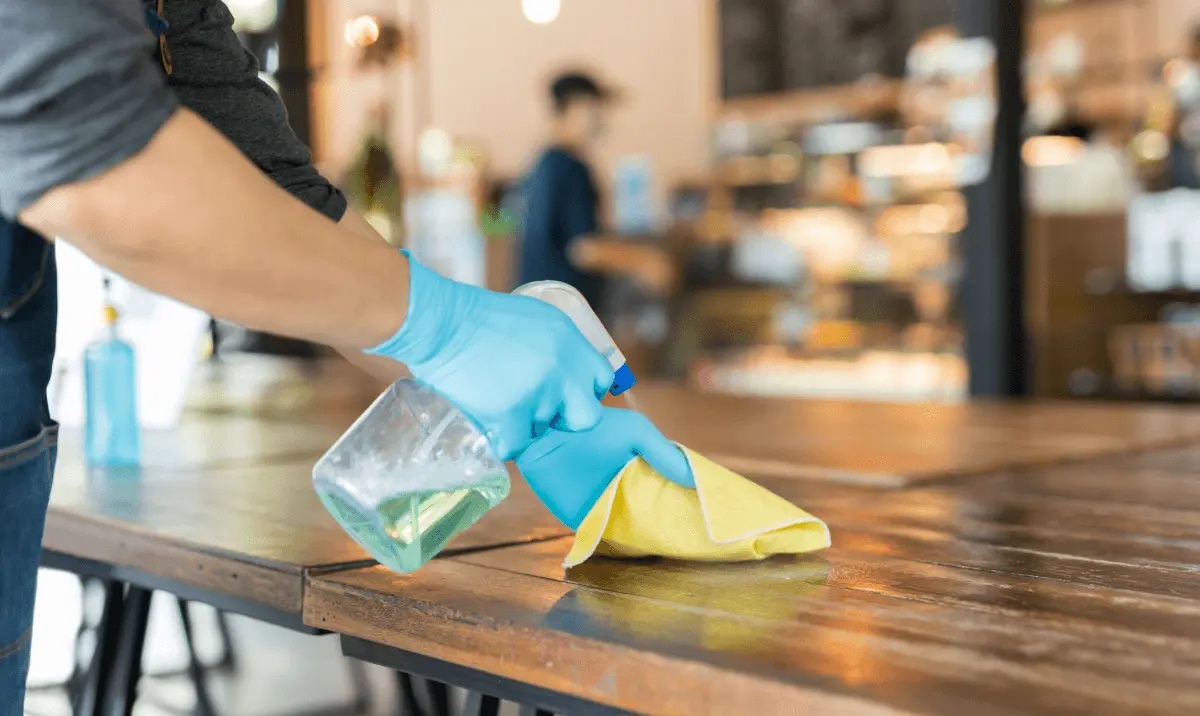
Microorganisms are an inescapable part of our surroundings, effortlessly transferring from one surface to another as people go about their daily lives. In the food service sector, this continual movement of microbes poses a serious and ongoing challenge—safeguarding against the spread of harmful bacteria and other unseen hazards is absolutely critical. Whether it’s a high-volume commercial kitchen or a street vendor serving a bustling crowd, these microscopic contaminants are ever-present.
To maintain hygienic food prep spaces, operators must adopt a proactive and strategic approach to minimizing the spread of viruses and bacteria. One key tactic is removing grease and buildup, which not only improves cleanliness but also cuts down on the chance of cross-contamination. Focusing attention on the most vulnerable areas can make a significant difference in reducing health-related risks.
Using deep-cleaning equipment, such as a heated soak tank, can help ensure that even the toughest residues are broken down and removed from kitchen tools and surfaces. Coupling these efforts with targeted sanitation protocols and incorporating broader safety checks, like having a continuous radon monitor included in facility assessments, shows a deeper commitment to managing all unseen threats. Although radon isn’t transmitted through food, addressing it as part of an overall safety framework reinforces a culture of thorough, all-encompassing risk management.
With consistent cleaning habits and diligent sanitation routines, food service businesses can take control of microbial risks. These steps not only safeguard health and safety for both customers and employees, but also build trust and credibility that supports long-term operational success. See the guide below for expert tips on identifying priority zones and elevating sanitation practices.
