

The restaurant, in its many forms and manifestations, is a cornerstone of both culinary culture and social interaction. From humble street vendors offering local delicacies to Michelin-starred establishments with intricate tasting menus, restaurants serve as the ultimate stage where food meets creativity, service meets hospitality, and patrons indulge in experiences that nourish both body and soul. The essence of a restaurant transcends its role as a mere provider of sustenance; it is a space for connection, exploration, and expression. This article delves into the multifaceted world of restaurants, examining their evolution, cultural significance, and the intricacies that make dining out an unforgettable experience.
The Evolution of the Restaurant: A Culinary Revolution
The concept of dining out is as old as civilization itself. In Ancient Rome, public dining establishments known as “thermopolia” catered to the working class, offering hot food and drink for those unable to prepare meals at home. These early venues were rudimentary, focused on convenience rather than culinary artistry, but they were essential in shaping the public’s relationship with food. In other parts of the world, such as China and the Middle East, food culture evolved through inns and taverns that offered travelers not just shelter, but sustenance and the chance to connect with others.
However, the modern restaurant, as we know it today, began to take shape in 18th-century France. The word “restaurant” itself comes from the French term for a “restorative” or “nourishing” soup, initially sold by street vendors. The first true restaurant, according to most culinary historians, was opened by a Parisian entrepreneur named Boulanger in 1765. His establishment served broths and soups to the public, marking the birth of the dining-out experience that would eventually become an integral part of the world’s culinary landscape.
By the 19th century, the industrial revolution, along with rising disposable incomes and more leisure time, had paved the way for the rise of fine dining. Paris became the epicenter of haute cuisine, with famous chefs like Escoffier shaping the way meals were prepared, served, and experienced. The restaurant emerged as not just a place for food, but a stage for the art of dining, where service, ambiance, and culinary excellence were intertwined. From Europe, the restaurant culture spread to other parts of the world, evolving with local flavors and customs to create a global phenomenon.
The Restaurant as a Cultural Institution
While restaurants provide food, they also offer much more. They are cultural hubs, places where people gather not only to eat, but to celebrate, relax, converse, and explore new flavors. The diversity of restaurants across the globe speaks to the vast range of cultural expressions that food embodies. In Japan, sushi bars offer not just fresh fish but a carefully curated experience rooted in centuries-old traditions. In Italy, trattorias evoke the warmth of family and the simplicity of rustic, regional cooking. Meanwhile, in Mexico, street-side taco stands deliver more than just tacos—they offer a taste of community, tradition, and authenticity.
Restaurants are often mirrors of their environment, reflecting the values, aesthetics, and social dynamics of the places in which they are located. A bustling New York City bistro with its high-energy atmosphere and quick-paced service speaks to the fast rhythm of the city, while a serene, minimalist sushi restaurant in Tokyo may invite a more contemplative, quiet dining experience. The design of the space, the style of service, and the flavor profiles of the dishes all come together to tell a story about the culture in which the restaurant exists.
Moreover, restaurants often become institutions in their own right, providing a sense of place and continuity in a rapidly changing world. Many of the world’s most famous eateries, such as Paris’s Le Procope or New York’s The Four Seasons, are not only known for their exceptional food but for their historical significance, having been frequented by intellectuals, celebrities, and revolutionaries alike. They are as much about the people who have passed through their doors as the dishes that have been served.
The Art of Dining: What Makes a Great Restaurant?
At the heart of any great restaurant lies a seamless blend of several key elements: the food, the service, the ambiance, and the overall dining experience. The food itself, of course, remains the focal point, but it is the careful orchestration of these elements that transforms a simple meal into a memorable experience.
Food: The quality, creativity, and presentation of the food are what first draw customers in. Whether it’s a dish made from locally sourced ingredients or a cutting-edge culinary creation, the food should be reflective of the restaurant’s ethos and its commitment to quality. Fine dining establishments focus on balance—flavors, textures, and visuals are all meticulously considered. A Michelin-starred restaurant, for instance, is known for pushing the boundaries of culinary techniques and presentations, transforming every dish into a work of art.
Service: Exceptional service elevates the dining experience, creating a sense of hospitality that complements the food. The best servers understand the balance between attentiveness and discretion. They know when to make recommendations, when to leave guests to their conversation, and how to anticipate needs before they arise. In a fine-dining restaurant, the service is often choreographed to perfection, with each staff member playing a specific role in ensuring that the meal progresses smoothly and that diners feel cared for. In contrast, a casual eatery may prioritize warmth and friendliness, fostering a more relaxed atmosphere while still ensuring efficiency.
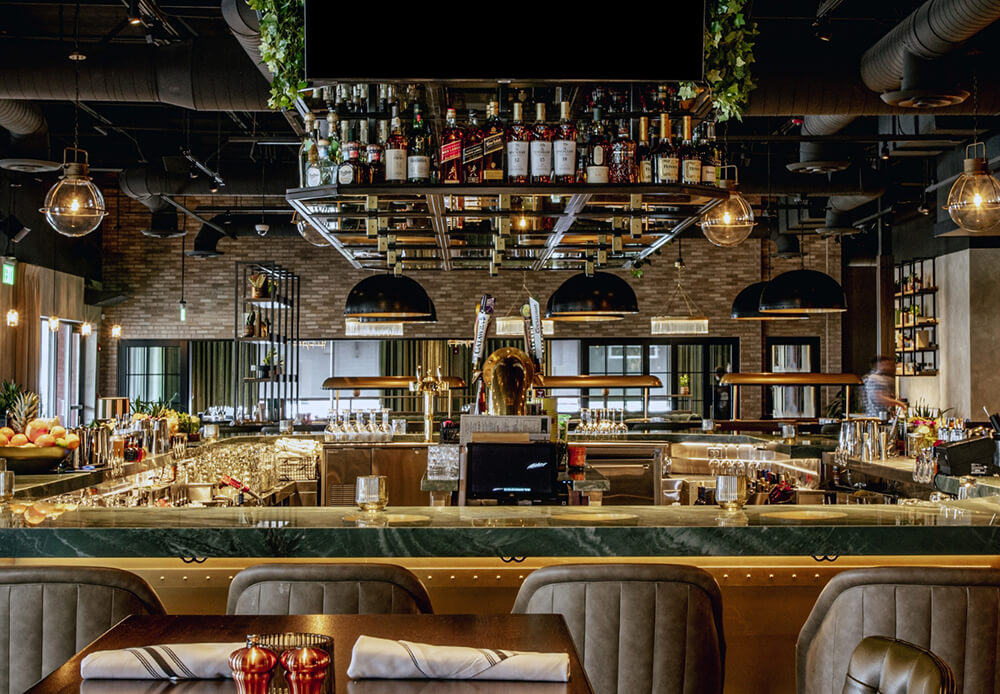
Ambiance: The physical environment of a restaurant sets the tone for the experience. Lighting, decor, music, and layout all play a significant role in creating a welcoming atmosphere. The ambiance should complement the cuisine and enhance the overall mood. A cozy, dimly lit bistro might evoke intimacy and comfort, perfect for a romantic evening, while a trendy, modern restaurant might have sleek design elements that resonate with a young, energetic crowd. A great restaurant knows how to align its ambiance with its culinary offering, ensuring that all aspects of the experience are harmonious.
The Experience: Beyond food, service, and ambiance, a great restaurant provides a complete experience—one that resonates with diners long after they’ve finished their meal. This experience can take many forms: a unique dining concept, an interactive cooking demonstration, or even a sense of surprise in how a dish is served. The goal is to evoke an emotional response that keeps guests coming back not just for the food, but for the entire journey. Think of a restaurant that serves a dessert with an unexpected twist, or one where guests can pair each course with expertly chosen wines. This thoughtful approach creates an unforgettable experience, making dining out an adventure in itself.
The Future of Restaurants: Trends and Innovations
As the world continues to evolve, so too do restaurants, constantly adapting to changing consumer preferences, technological advancements, and broader societal shifts. The COVID-19 pandemic, for example, reshaped the restaurant industry by accelerating trends such as takeout, delivery, and outdoor dining. Many restaurants that once relied heavily on in-person dining have embraced these models, while also utilizing digital platforms to reach customers in new ways.
Sustainability is another growing concern in the culinary world. With increasing awareness of climate change and the environmental impact of food production, many restaurants are embracing sustainability through farm-to-table practices, zero-waste kitchens, and environmentally friendly packaging. This trend has prompted chefs to rethink sourcing, with an emphasis on supporting local farmers and minimizing food waste.
Technology is also playing a larger role in the dining experience. From digital menus and contactless payments to apps that allow diners to order and pay remotely, technology is making the dining process more efficient and convenient. Additionally, some high-end restaurants are experimenting with immersive dining experiences that integrate virtual reality, augmented reality, or even artificial intelligence to enhance the guest experience.
Conclusion: More Than Just a Meal
A restaurant is a multifaceted entity—a reflection of culture, an expression of creativity, and a place where food and people come together to create something greater than the sum of its parts. It is not simply a place to eat, but a space to experience, to connect, and to discover. Whether it’s a quick bite at a neighborhood diner or an extravagant evening at a Michelin-starred venue, restaurants offer something unique and vital to our social and cultural fabric. They provide nourishment, of course, but more importantly, they offer a place to celebrate, to share, and to create lasting memories. In the ever-evolving world of dining, one thing remains certain: the restaurant will continue to be a cornerstone of culture, innovation, and the joy of living.