

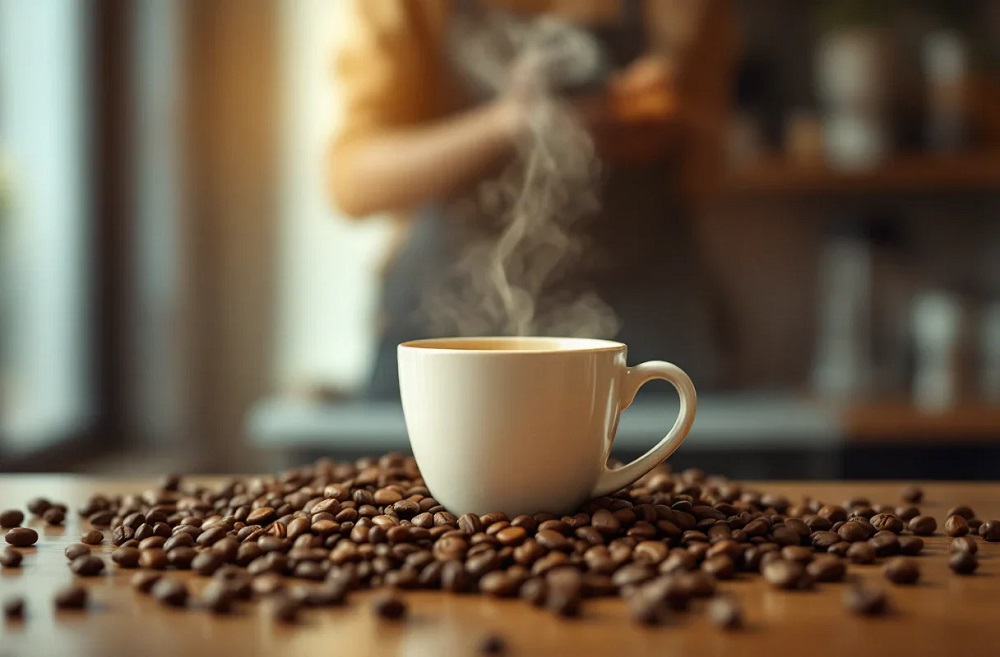
The traditional concept of a café was long defined by convenience, basic socialization, and a uniform menu centered around simple commodity coffee. For decades, consumers expected coffee to be a dark, bitter beverage requiring sugar and milk to be palatable, served quickly from commercial batch brewers. However, a major shift has occurred over the last several years, rewriting the global relationship with coffee.
The rise of the specialty coffee movement has elevated coffee from a daily utilitarian caffeine fix to an artisanal culinary experience. Defined as coffee that scores eighty points or higher on a one-hundred-point scale by the Specialty Coffee Association, specialty coffee prioritizes quality, terroir, transparency, and scientific precision. This evolution has completely transformed the physical layout, economic foundations, and social dynamics of modern cafés, replacing the fast-food model of beverage service with an environment dedicated to craftsmanship and intentional consumption.
From Commodity to Craft: The Evolution of Coffee Appreciation
The shift toward specialty coffee is often described by culinary historians as the transition into the third and fourth waves of coffee culture. While earlier generations focused on mass accessibility and the popularization of espresso-based milk drinks, the modern specialty movement treats coffee with the same level of reverence typically reserved for fine wine or craft beer.
Central to this transformation is the understanding that coffee is an incredibly complex agricultural product. A coffee bean carries thousands of distinct flavor compounds that are deeply influenced by the soil chemistry, altitude, microclimate, and processing methods of its origin. Instead of roasting beans until they are uniformly dark and oily, specialty roasters utilize light-to-medium roasting profiles designed to highlight the natural characteristics of the bean. This intentional approach allows consumers to experience a vast spectrum of flavor profiles, including:
-
Bright, citric acidity reminiscent of lemon, bergamot, or green apple, frequently found in washed East African coffees.
-
Deep, jammy fruit sweetness with notes of blueberry, raspberry, or tropical fruits, characteristic of natural-processed Ethiopian and Central American varieties.
-
Complex, floral aromatics like jasmine, bergamot, and orange blossom, which define rare varieties such as Geisha.
-
Rich, structured sweet notes of brown sugar, milk chocolate, and roasted hazelnut, commonly associated with South American origins.
By shifting the consumer palate away from bitter uniformity and toward complex, regional flavor variations, specialty cafés have fostered a culture of curious, educated tasters who actively seek out unique sensory experiences.
The Mechanics of Extraction and Flavor Science
Modern specialty cafés operate more like scientific laboratories than traditional quick-service kitchens. The intuitive guesswork of yesterday has been replaced by strict parameters, specialized technology, and a deep understanding of extraction chemistry. To achieve a perfectly balanced cup, baristas control a multitude of interconnected variables with mathematical precision.
The installation of high-end equipment is standard practice in a specialty establishment. Precision espresso machines allow baristas to manipulate pressure profiles and water temperature down to a tenth of a degree, adapting the extraction process to the specific cellular density of different bean varieties. Grinders are equipped with industrial-grade flat burrs to minimize heat generation and ensure a perfectly uniform particle size distribution, preventing the simultaneous under-extraction of coarse particles and over-extraction of fine dust.
Daily operations begin with a process known as dialing in. Baristas use digital scales to weigh the dry coffee dose to the tenth of a gram, measure the liquid yield of the espresso extraction, and track the exact duration of the shot. By calculating the extraction yield using refractometers that measure total dissolved solids, cafés ensure that every single beverage served adheres to an objective standard of flavor balance, removing human inconsistency from the final product.
Sustainable Sourcing and Ethical Transparency
One of the most profound ways specialty coffee has altered café culture is by bridging the vast geographic gap between the consumer and the agricultural producer. The commodity coffee market historically relied on complex supply chains that obscured the identity of the farmers and kept purchase prices unsustainably low. Specialty coffee culture disrupts this dynamic by making transparency and ethical sourcing a core component of its brand identity.
Modern cafés routinely highlight the specific details of their coffee offerings on their menus and retail packaging. It is now common for consumers to know not just the country of origin, but the specific region, the name of the farm or washing station, the specific botanical variety of the tree, and the exact date the harvest was processed.
This transparency is backed by an economic model known as direct trade. By bypassing traditional commodity brokers, specialty roasters and café owners establish direct relationships with producers, paying premium prices that far exceed fair-trade minimums. This capital injection allows farmers to invest in sustainable agricultural practices, improve community infrastructure, and cultivate experimental, high-quality crop lots. For the modern consumer, purchasing a cup of coffee has transformed from an unthinking habit into an ethical choice that supports global agricultural sustainability.
The Reimagined Café Space: Design and Community Hubs
The aesthetic and spatial design of modern cafés has evolved symmetrically with the focus on specialty quality. The dark, cluttered coffee shops of the late twentieth century have given way to bright, minimalist spaces engineered for both visual beauty and functional workflow.
Physical counters are intentionally designed lower to remove the structural barrier between the barista and the consumer. Open bars allow guests to watch the theatrical, hypnotic process of a manual pour-over being brewed or see the precise pouring of micro-foam latte art. This structural transparency invites conversation, turning a transaction into an educational interaction where customers feel welcome to ask questions about the origin of the beans or the mechanics of the brewing method.
Furthermore, seating arrangements are curated to support a diverse community ecosystem. Spacious communal tables equipped with integrated power outlets cater to the growing demographic of remote digital workers, while comfortable, isolated seating zones encourage analog reading and face-to-face conversation. By prioritizing natural light, clean architectural lines, and premium acoustic design, specialty cafés have firmly established themselves as the premier third place in modern society, an essential social environment distinct from both the home and the workplace.
The Changing Role of the Modern Barista
Perhaps no element of café culture has changed as drastically as the perception of the person behind the counter. The role of the barista has transitioned from a transient, low-skill service position into a respected culinary profession requiring extensive technical knowledge and hospitality skills.
Professional baristas in the specialty sector undergo rigorous training programs covering agronomy, sensory analysis, fluid dynamics, and customer service chemistry. Many pursue formal certifications through global organizations or participate in competitive coffee championships that test their skills in espresso preparation, brewing mechanics, and latte art execution under the scrutiny of sensory judges.
This professionalization directly impacts the customer experience. A modern barista functions much like a restaurant sommelier or an artisanal bartender. They act as guides, assessing a customer’s individual flavor preferences and steering them toward specific single-origin filter coffees, recommending precise milk alternatives that complement a bean’s acidity, or explaining how a specific fermentation technique created the distinct notes in their cup. This dedication to expertise ensures that the modern café remains a space dedicated to genuine hospitality, education, and culinary discovery.
Frequently Asked Questions
What exactly makes coffee specialty compared to standard commercial coffee?
Specialty coffee is strictly defined by its quality score and production chain transparency. To be classified as specialty, the green coffee beans must be evaluated by a certified Q Grinder and receive a score of eighty points or higher on a rigorous one-hundred-point grading scale. This evaluation checks for structural defects, aroma complexity, uniformity, and flavor balance. Commercial coffee, by contrast, is typically purchased in massive bulk quantities on the global commodity market, relies on lower-grade robusta or lower-tier arabica beans, and prioritizing low production costs over flavor distinction and origin transparency.
Why do specialty cafés prefer light or medium roasts over dark roasts?
Specialty roasters prefer light-to-medium roasting profiles because their ultimate goal is to showcase the inherent, terroir-driven flavors of the coffee bean. When coffee is roasted intensely dark, the heat destroys the organic acids and delicate volatile compounds responsible for unique fruit, floral, and herbal notes. A dark roast replaces these distinct regional characteristics with uniform, carbonized flavors of smoke, ash, and heavy bitterness. By utilizing lighter roasts, specialty cafés allow consumers to taste the true agricultural signature of the specific farm and region where the crop was grown.
How does a pour-over coffee differ fundamentally from a standard batch brew?
While both methods rely on drip filtration, a manual pour-over offers a completely different sensory profile and level of precision compared to automated commercial batch brewing. During a pour-over, a barista uses a goose-neck kettle to control the exact flow rate, temperature, and distribution of water over the coffee bed, ensuring a perfectly even extraction. The specialized paper filters used in manual brewers like the V60 or Chemex are often thicker than standard commercial filters, trapping heavier oils and fine sediment. This results in a highly clear, light-bodied cup that accentuates clean acidity and delicate floral or fruit notes.
What is the significance of the water chemistry used in specialty cafés?
Water makes up roughly ninety-eight percent of a cup of filter coffee, making its chemical composition vital to the final taste. Standard tap water contains erratic levels of minerals, chlorine, and heavy metals that can mute pleasant organic acids or introduce harsh, bitter taints. Specialty cafés invest thousands of dollars in advanced reverse-osmosis water filtration systems that strip water down to its elemental form before reintroducing exact, measured amounts of magnesium and calcium ions. These specific minerals act as chemical binders, pulling the most desirable flavor compounds out of the coffee grinds during the extraction process.
Why do some specialty cafés refuse to offer extra-large cup sizes or certain syrups?
Many specialty cafés restrict large sizes and sweet artificial syrups to protect the structural flavor balance of the high-quality beans they source. A traditional double shot of espresso is chemically optimized to pair with specific volumes of milk; adding it to a twenty-ounce cup drowns the nuanced flavors of a premium single-origin bean in a sea of dairy or alternative milk. Similarly, heavy artificial syrups completely mask the natural sweetness, fruit notes, and floral aromatics that the farmers and roasters worked meticulously to cultivate, defeating the purpose of utilizing a premium product.
What is the difference between natural processing and washed processing?
These terms refer to how the sticky fruit of the coffee cherry is removed from the internal seed or bean after harvest. In washed processing, the fruit pulp is stripped away immediately, and the beans are washed in water channels before drying, resulting in a very clean, bright cup with crisp acidity and distinct floral notes. In natural processing, the entire intact coffee cherry is left to dry in the sun on raised beds for weeks. As the fruit dries around the seed, the bean absorbs the concentrated natural sugars and organic compounds of the pulp, yielding a heavy-bodied cup with intense fruit sweetness and low acidity.